The landing page was supposed to die years ago.
Attention spans are shrinking, we were told. Nobody reads anymore. Everything needs to be a video. And yet, here we are in 2026, and the humble landing page is not only surviving—it's quietly transforming into something more sophisticated than anyone expected.
But here's what nobody's talking about: the real shift isn't about new tools or AI or the latest animation library. It's about a change in philosophy. The best landing pages being built right now don't try to capture your attention. They try to earn your trust. And that distinction changes everything.
What Actually Changed
For the past decade, landing page design has followed a predictable playbook. Grab attention with a bold headline. Stack social proof. Insert urgency. Funnel visitors toward a single call-to-action button that begs to be clicked. The formula worked—until everyone started using it.
Today's visitors have pattern recognition. They know when they're being funneled. They can sense the manipulation in scarcity timers and the hollow weight of generic testimonials. The old playbook hasn't stopped working entirely, but its effectiveness is eroding fast.
What's replacing it isn't a new formula. It's the absence of one.
The landing pages that convert best in 2026 share something in common: they feel less designed. Not in a sloppy way—they're meticulously crafted. But they've shed the performance of trying to convert you. They read like a friend explaining why they're excited about something, not a salesperson hitting their quarterly numbers.
The Trends That Actually Matter
Let's be honest about trend pieces. Most are lists of features masquerading as insights. "Bold typography is in." Okay, but why? And what does that mean for someone actually building a page?
Here's what's genuinely shifting the landscape:
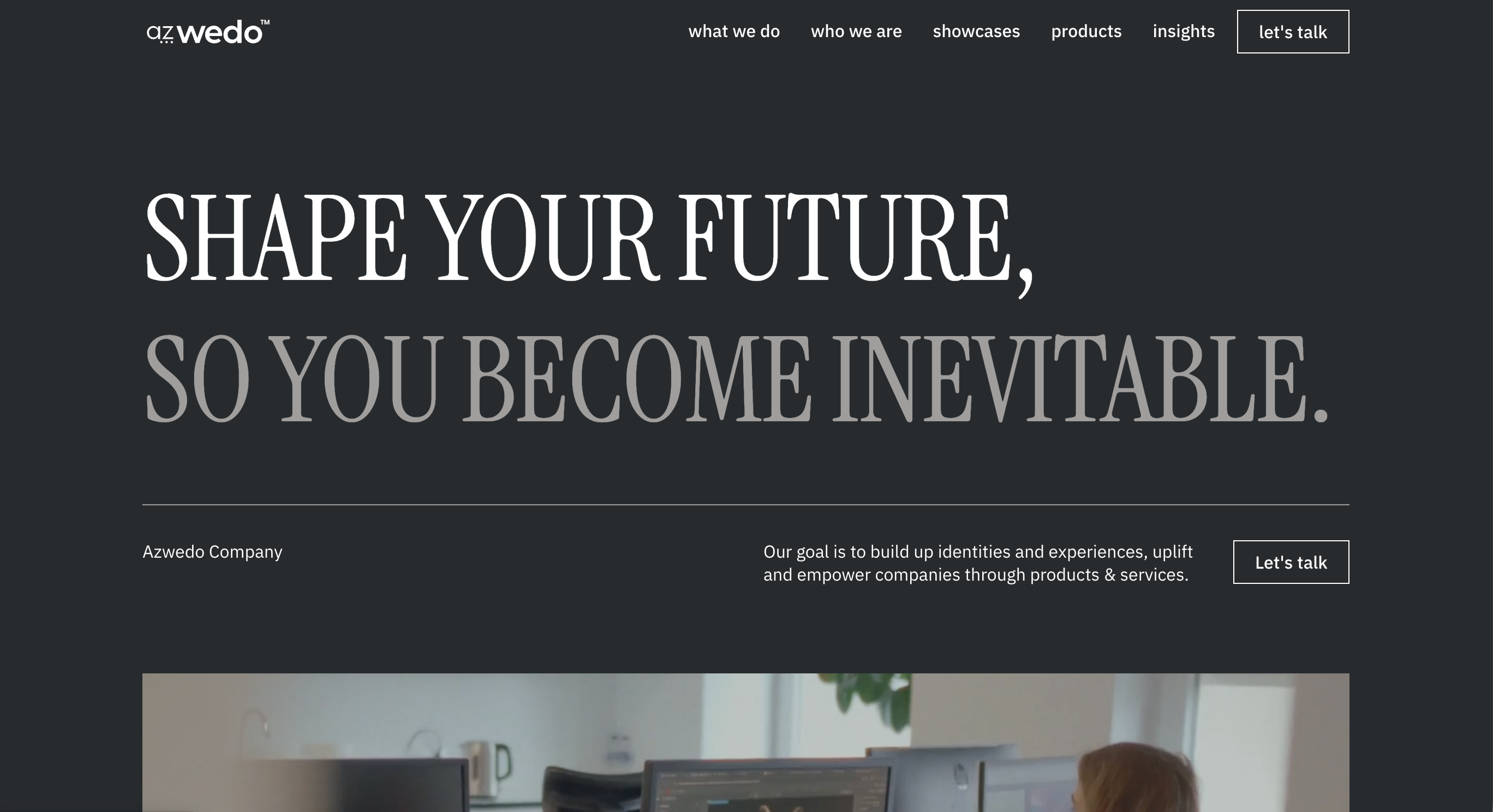
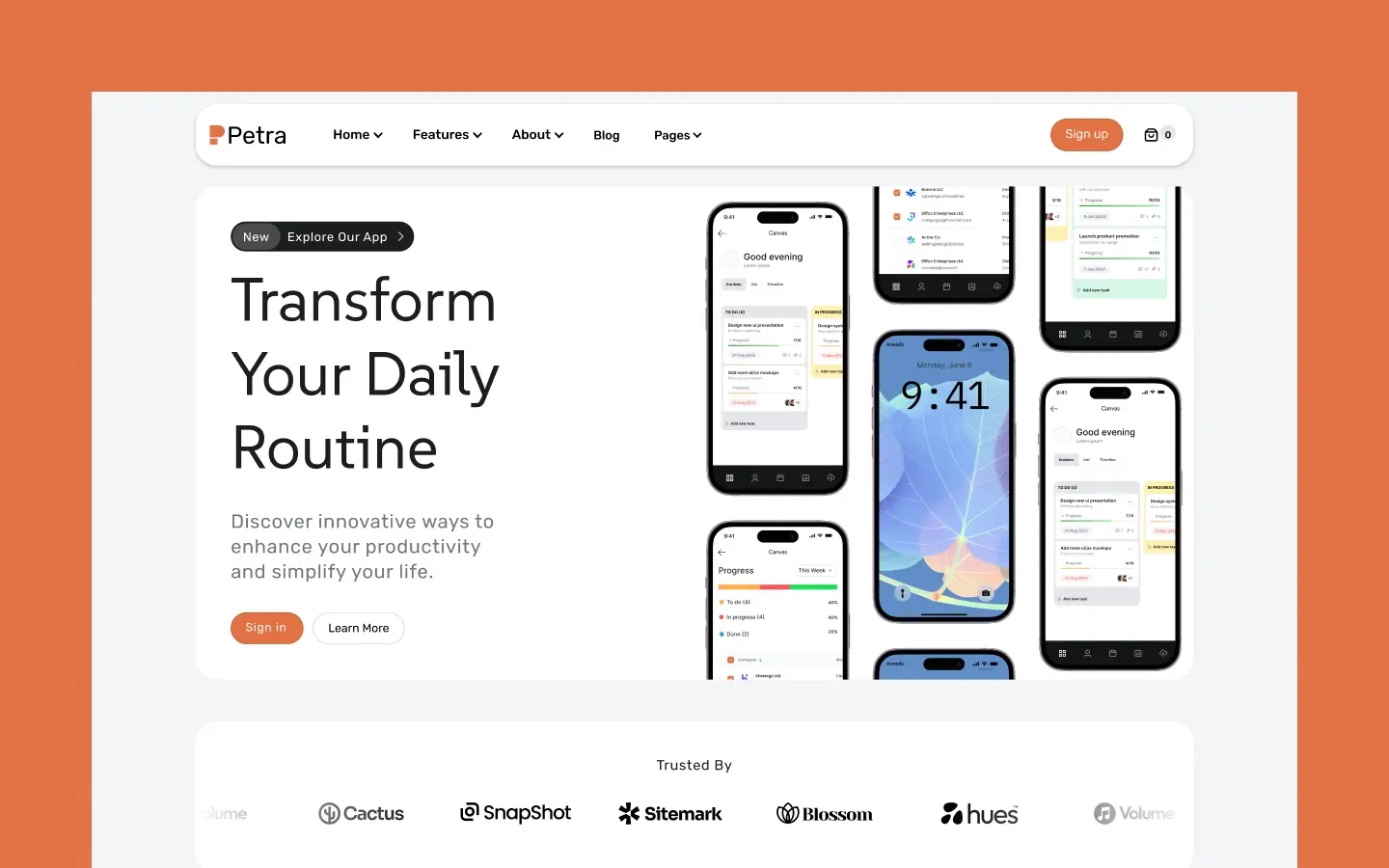
The death of the generic hero. That pattern where you scroll and hit a massive headline, a subhead, and a button? It's becoming visual noise. What's working instead is immediate specificity. Pages that name the exact problem you have. Pages that skip the pleasantries and show you the product working. The best hero sections in 2026 feel like you walked into the middle of a conversation that was already about you.
Scroll as narrative. This isn't new—scroll-based storytelling has been around for years. But it's finally maturing past the gimmick phase. The question designers are asking now isn't "how do we make scrolling feel cool?" It's "how do we use vertical space to build understanding progressively?" Done well, scrolling becomes reading. The page unfolds an argument section by section, each scroll revealing the next piece of logic. Done poorly, it's just motion for motion's sake.
AI personalization, but invisible. Yes, AI is everywhere. But the interesting development isn't AI generating pages—it's AI adapting them in real-time without visitors noticing. The headline shifts slightly based on where you came from. The examples shown match your industry. The testimonials rotate to show people who look like your target customer. The best implementations are completely invisible. You never feel targeted. You just feel understood.
Micro-interactions as trust signals. Those tiny animations when you hover or click? They used to be decorative. Now they're functional. A button that responds when you touch it communicates competence. A form that validates as you type saves frustration. These details don't drive conversion directly. They build the ambient trust that makes conversion possible.
Authentic visuals, finally. Stock photography is dying a slow, well-deserved death. Custom illustration is good but expensive. What's emerging is something in between: real product shots, actual screenshots, genuine photos of real people who work at the company. Imperfect, sometimes. But believable. Visitors have developed an uncanny ability to detect staged authenticity. The only solution is real authenticity.
Where This Is Heading
Predicting the future of design is mostly guesswork dressed up as insight. But some directions feel inevitable.
Landing pages are going to become more contextual. The same company won't have one landing page—they'll have hundreds of variations that adapt to who's viewing them, where they came from, and what they're likely to care about. This is already happening, but the technology is getting cheap enough that smaller teams can do it too.
The line between landing page and product will blur further. Why tell someone how your software works when you can let them try a simplified version of it right there on the page? Embedded demos, interactive calculators, configurators that let you build something—these are becoming standard rather than exceptional.
Performance will become a competitive advantage again. As pages get more complex, the ones that load fast will stand out. Core Web Vitals aren't just about SEO anymore. They're about respect for your visitor's time and attention.
And perhaps most importantly: personality will return to brand communication. The sterile, corporate minimalism that dominated the last few years is giving way to pages with actual character. Weird typography choices. Unusual color palettes. Copy that sounds like a human wrote it because a human actually wrote it.
The Uncomfortable Truth
Here's what nobody wants to say: most landing page problems aren't design problems. They're positioning problems. They're product problems. They're "we don't actually know who we're building this for" problems.
The best landing page in the world can't save a confusing value proposition. No amount of micro-interactions will compensate for a product that doesn't solve a real problem. The design trends we've discussed? They're all ways to communicate more clearly. But you have to have something clear to communicate.
Before worrying about whether your hero section is bold enough or your animations are smooth enough, ask simpler questions. Can you explain what you do in one sentence? Do you know the exact person you're trying to reach? Can you articulate why they should care?
Get those right, and the design problems often solve themselves. Get them wrong, and no trend will save you.
A Note on Tools
The tools for building landing pages have never been better. AI generators can scaffold a page in minutes. No-code builders let non-designers create professional-looking pages. Component libraries offer pre-built sections that look polished.
But tools are means, not ends.
The danger of easy tools is that they make it simple to build forgettable pages quickly. The pages that stand out—the ones that convert, that people remember, that actually move a business forward—still require thinking. They require someone to sit with the problem long enough to understand it. They require making hard choices about what to include and what to cut. They require the taste to know when something looks professional but feels empty.
Tools have gotten better. The need for thoughtfulness hasn't changed.
What This Means for You
If you're building a landing page soon, here's what I'd actually do:
Start with the visitor's problem, not your product. Write down the exact frustration they have. Make your headline about that frustration, not about your solution.
Show, don't tell. If your product does something, let people see it doing that thing. Screenshots, demos, videos of real usage. The more specific and real, the better.
Read your copy out loud. If it sounds like something a human would say to another human, keep it. If it sounds like marketing, rewrite it.
Cut aggressively. Every section that isn't earning its place is making the page worse. When in doubt, remove.
Test with real people. Not A/B testing yet—just show the page to five people who match your target customer. Watch them use it. Listen to what confuses them. That feedback is worth more than any design trend.
The Bigger Picture
Landing pages are a microcosm of something larger happening in design.
The era of pure persuasion—of dark patterns and psychological manipulation—is coming to an end. Not because companies got ethical, but because visitors got smart. The arms race between manipulation and skepticism has been won by skepticism.
What's emerging is something healthier: design as communication. Design as honesty. Design as the craft of saying what you mean as clearly as possible and letting people decide for themselves.
The best landing pages being built today don't feel like landing pages at all. They feel like someone took the time to understand a problem you have and explain how they might help. No tricks. No urgency. Just clarity.
That's the quiet revolution happening right now. It's not dramatic. It won't make headlines. But it's changing how the best companies communicate with the people they want to serve.
And if you're building something worth building, that's the approach worth taking.