There is a quiet but significant shift happening across the web. Two distinct design philosophies have emerged at the top of the SaaS world, and they look nothing alike. Scroll through an AI product page and then flip to a classic project management tool and you will immediately feel the difference, even if you cannot explain it yet.
One sells a feeling. The other sells a workflow.
This guide breaks down exactly what separates AI landing pages from traditional SaaS landing pages, covering structure, messaging, visual systems, trust signals, and conversion strategy. Whether you are building your own page or benchmarking competitors, understanding these differences is one of the most practical design decisions you can make right now.
You can also explore curated AI landing page examples on Landdding to see these patterns in the wild.
What is an AI Landing Page?
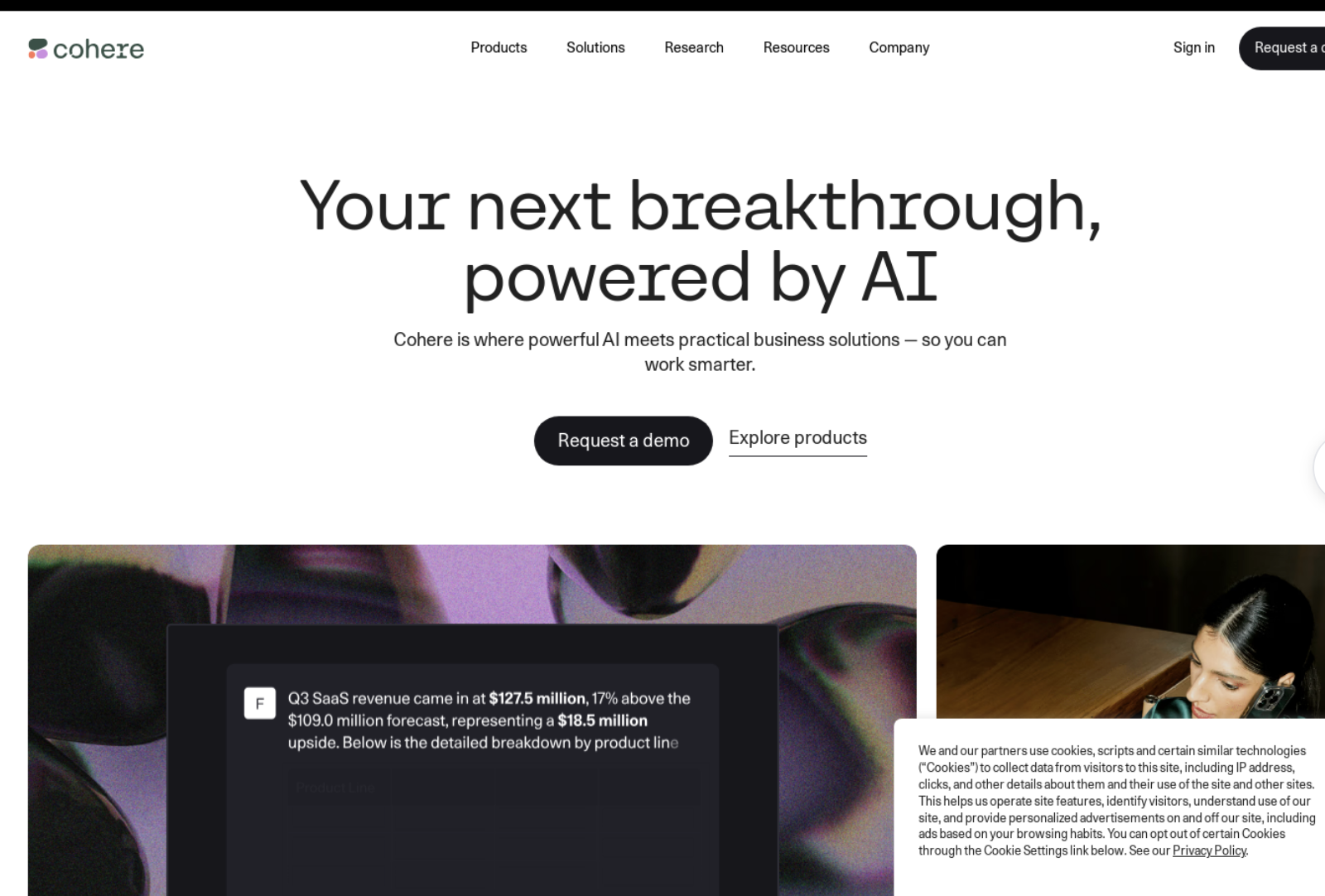
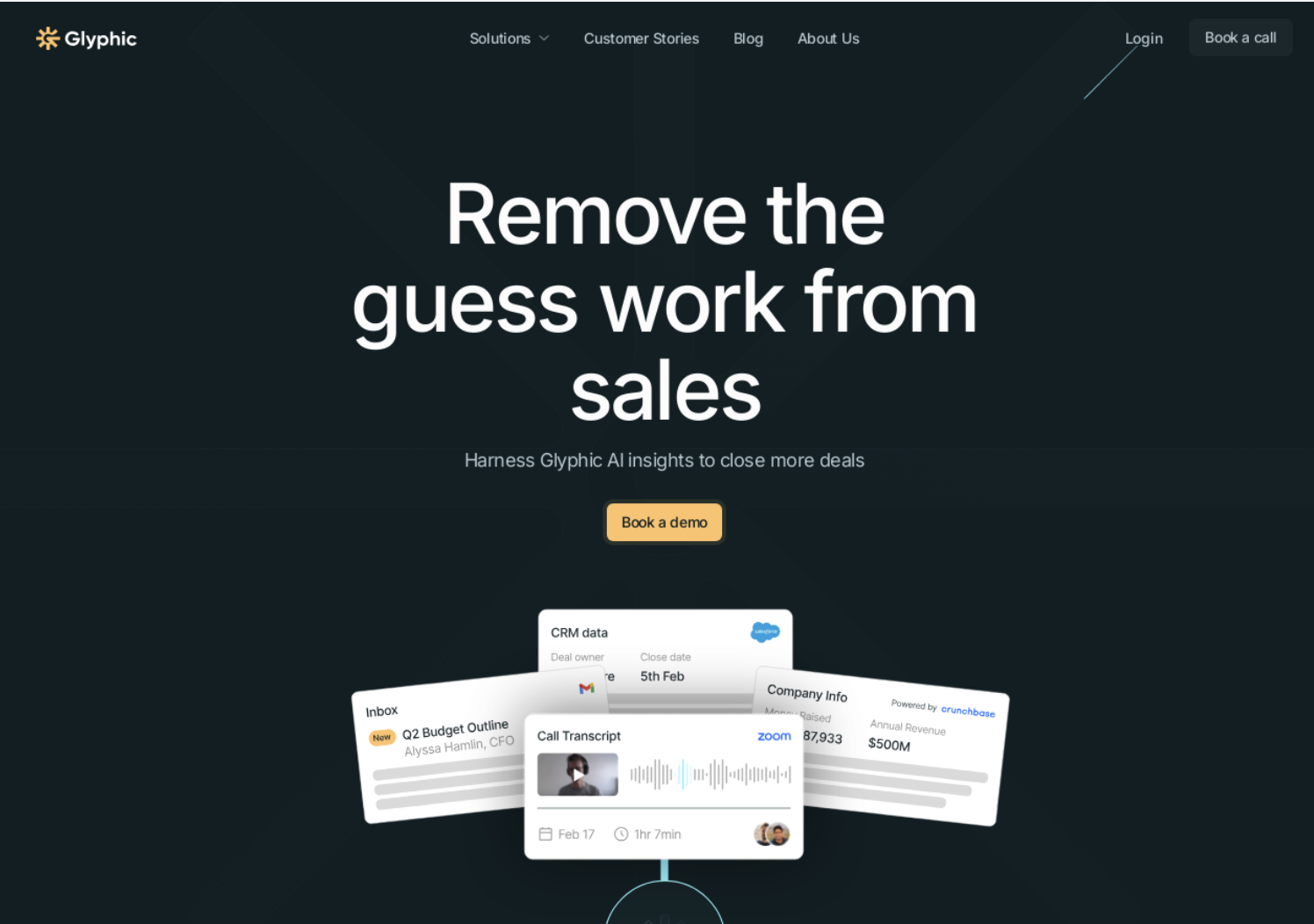
An AI landing page promotes a product powered by artificial intelligence. It typically emphasises automation, intelligence, and outcomes rather than features. The design language tends toward the abstract and futuristic, and the copy leads with transformation.
What is a Traditional SaaS Landing Page?
A traditional SaaS landing page focuses on product features, workflows, integrations, and operational benefits. The design is usually cleaner and more literal, showing real UI and structured benefit hierarchies.
Key difference in one sentence: AI landing pages sell transformation and intelligence. Traditional SaaS pages sell tools and functionality.
Core Structural Differences
Before diving into individual sections, it helps to understand the high-level gap between how these two page types are built from top to bottom.
Hero messaging is where the split is most immediate. AI pages lead with outcomes and automation: what the product does for you, or instead of you. Traditional SaaS pages lead with features and workflows: what the product lets you do, and how it fits into your existing process.
Visuals follow a different logic on each. AI pages favour abstract gradients, generative motifs, and dark animated backgrounds. Traditional SaaS pages show real product UI, dashboards, and screenshots that let buyers visualise the tool before they sign up.
Social proof is framed entirely differently too. AI pages lean on usage scale and innovation narrative: total users, outputs generated, or model capabilities. Traditional SaaS pages lead with named case studies, enterprise logos, and specific ROI data from real customers.
Tone splits along a visionary-versus-practical axis. AI copy is bold, emotionally charged, and forward-looking. Traditional SaaS copy is structured, measured, and designed to reassure rather than excite.
CTAs reflect the conversion model of each approach. AI pages push visitors toward "Try AI now" or "Generate free", minimising the sense of commitment. Traditional SaaS pages route visitors to "Start free trial" or "Book a demo", which implies a more considered decision.
Information density also diverges sharply. AI pages use more whitespace, shorter copy, and emotional pacing. Traditional SaaS pages pack more into the viewport: features, benefits, integrations, and proof all competing for attention.
Trust signal type is the final structural tell. AI pages build credibility through technical claims, model references, and early adopter numbers. Traditional SaaS pages build it through enterprise logos, security badges, and compliance certifications.
Quick summary: AI pages are built on aspiration. Traditional SaaS pages are built on clarity. The former creates desire; the latter reduces friction. Neither approach is inherently better because the right choice depends entirely on your product, your buyer, and the stage of market awareness you are operating in.
Hero Section Messaging
The hero section is where the divergence becomes immediately obvious. It sets the emotional contract between the product and the visitor in under five seconds.
AI Landing Page Hero Examples
OpenAI is the clearest example of AI hero design done at scale. The approach is minimalist almost to the point of abstraction: a bold declarative claim, virtually no UI shown, and imagery that gestures at intelligence rather than demonstrating a specific product feature. Copy is compressed and high-impact. "Introducing GPT-4o" does not explain anything. It announces something. That is the point.
The OpenAI pattern: bold claim about intelligence or capability, minimal or no product UI shown, abstract or generative visuals, and short declarative copy that announces rather than explains.
Midjourney takes a different but equally AI-native approach. The hero leads with the output itself, flooding the screen with images generated by the model. This is community-led proof embedded into the first scroll. It says: look what people are making. You will want to make that too. There is almost no feature explanation because none is needed when the output speaks this loudly.
The Midjourney pattern: artistic output shown front and centre, community-generated proof baked into the hero, minimal feature explanation, and emotional pull through aspiration and beauty.
Traditional SaaS Hero Examples
Slack anchors its hero in product reality. The UI is shown clearly, the value proposition is tied to team productivity, and integrations are called out early. This is deliberate. Enterprise buyers need to visualise the product inside their workflow before they will commit to a trial. Showing the interface removes ambiguity and builds purchase confidence.
The Slack pattern: clear recognisable product UI in the hero, team productivity framing, integration highlights to signal ecosystem fit, and a CTA tied to getting started rather than getting inspired.
Asana builds its hero around workflow clarity. Visuals show actual task management structures, the copy is direct about what the product helps you manage, and the layout is structured to mirror the ordered nature of the product itself. Nothing feels accidental.
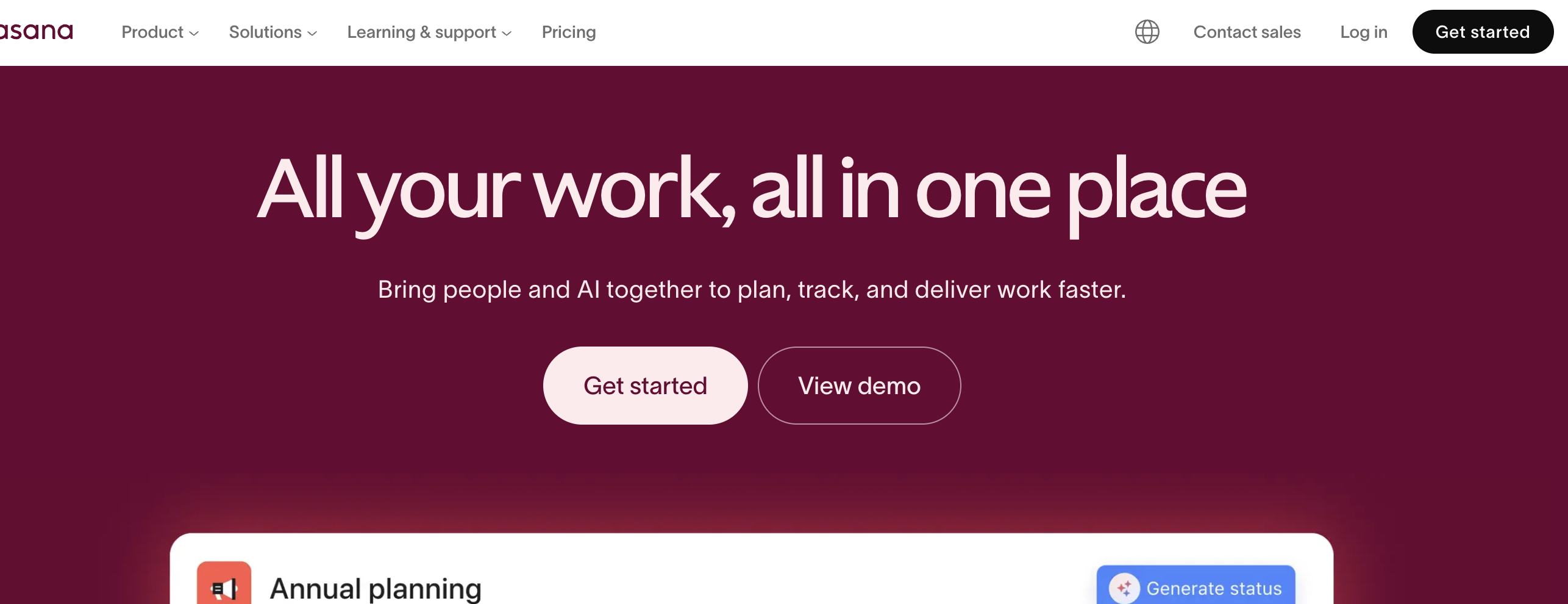
The Asana pattern: workflow visuals that mirror the product experience, feature clarity without abstraction, structured layout to signal reliability, and copy that explains rather than evokes.
This contrast in hero strategy is not just aesthetic. Research from the Nielsen Norman Group consistently shows that users form lasting impressions within the first 50 milliseconds of landing on a page. The hero is not just a first impression. It is a positioning statement that determines who stays and who bounces.
Visual Design Language Differences
Color Systems
The visual gap between these two page types is stark and consistent enough to be treated as a design signature.
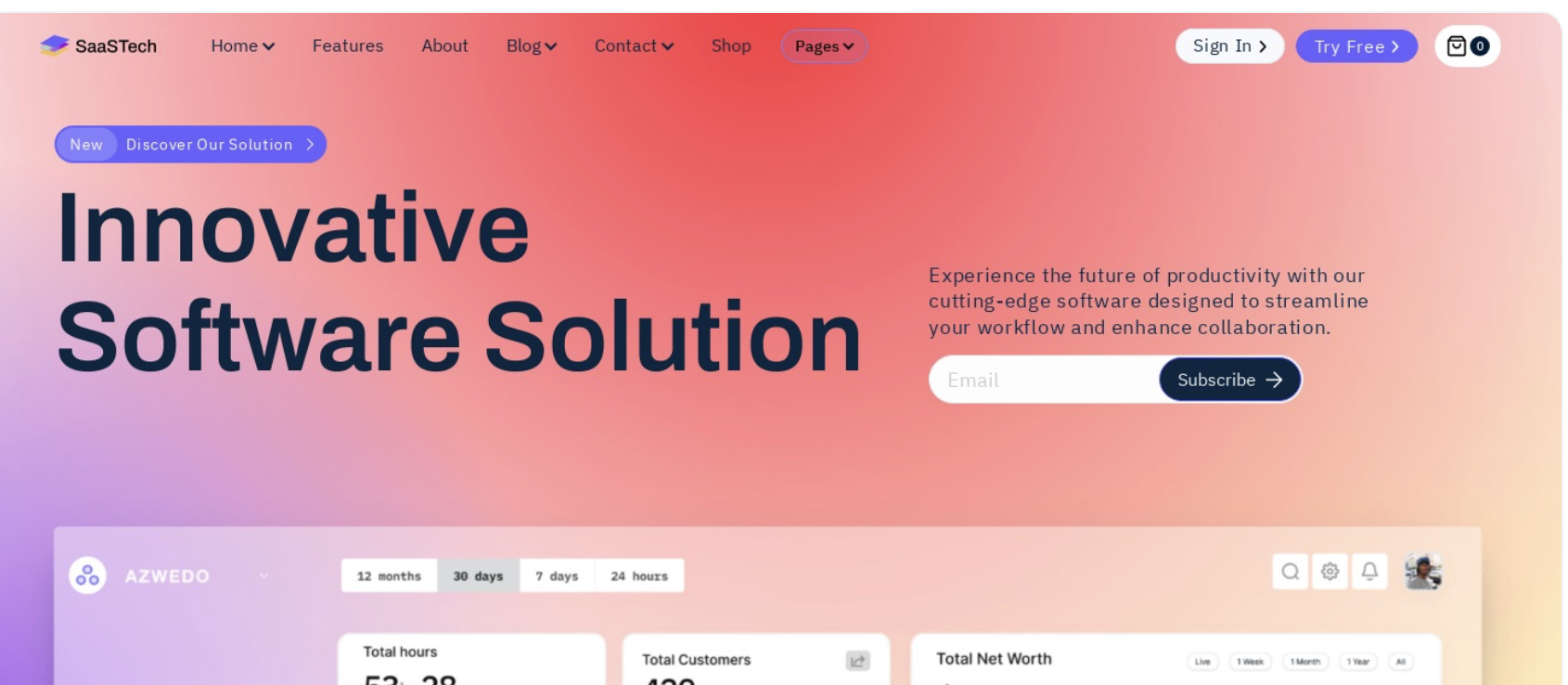
AI landing pages almost universally favour dark mode as the default canvas, often true black or deep navy. Neon gradients in purple, teal, and electric blue appear across the hero and feature sections. Abstract shapes suggest neural networks, particles, or generative outputs. Motion backgrounds, animated gradients, and subtle particle systems add a sense of energy and intelligence in motion.
This palette communicates one thing clearly: futuristic, powerful, exclusive, and intelligent.
Traditional SaaS landing pages trend heavily toward white or very light grey backgrounds that signal clarity and cleanliness. Blue trust palettes appear everywhere, particularly mid-blues and teal that have been associated with corporate reliability since the early web. Dashboard UI focus is central, with real product screenshots embedded throughout. Photography and illustration typically show people working, collaborating, or succeeding.
This palette communicates something entirely different: reliable, professional, proven, and easy to use.
The split maps almost perfectly to buyer psychology. AI products are often selling to early adopters who want to feel like they are accessing something ahead of the curve. Traditional SaaS is often selling to operations managers, procurement teams, and executives who want to feel confident they are buying something battle-tested.
For a deeper look at how this is evolving in real time, the 2026 UI design trends guide on Landdding covers the rise of dark mode AI aesthetics across product design.
Messaging Framework Differences
The words used on these pages are not interchangeable. They reflect fundamentally different positioning strategies, and copying the wrong vocabulary onto the wrong product is one of the most common conversion mistakes in SaaS marketing.
AI page copy reaches for words like replace, automate, generate, transform, and never again. These are words of displacement and acceleration. "Replace your entire research team." "Let AI do the thinking." "Generate a full campaign in seconds." "Never write another brief again." Each phrase positions the product as something that removes effort entirely, not something that helps you manage it better.
Traditional SaaS copy reaches for words like organise, manage, track, collaborate, streamline, and integrate. These are words of control and coordination. "Organise your projects in one place." "Manage tasks across your whole team." "Track progress in real time." "Integrates with 200+ tools." Each phrase positions the product as something that gives you command over complexity, not something that replaces your judgment.
The difference is not just vocabulary. It is cognitive framing. AI copy activates imagination and ambition. It asks the reader to picture a future where work is different. SaaS copy activates recognition and reassurance. It asks the reader to picture their current workflow running more smoothly.
Both approaches convert well, but to completely different mental states and completely different buyer types. Mixing them without intention creates a page that neither excites nor reassures, and converts no one particularly well.
This is part of a broader shift in how products present themselves online, a pattern explored in depth in the quiet revolution happening on landing pages.
Trust and Credibility Differences
Trust is earned differently on each page type, and this reflects the different nature of the purchase risk each buyer perceives.
How AI Pages Build Trust
AI pages tend to build credibility through technical legitimacy and scale signals. "Powered by GPT-4" style references borrow authority from well-known AI infrastructure. Technical claims about model size, training data, or benchmark performance signal that the product is built on serious foundations. Early adopter metrics like "Join 2 million early users" or "10 billion outputs generated" communicate momentum and social validation at scale. Research backing, links to papers, or mentions of named scientists and institutions add academic weight. Investor logos from recognizable VC firms signal that serious money has already validated the product.
The underlying message being sent is: this is the real thing. Real AI, real capability, real momentum.
How Traditional SaaS Pages Build Trust
Traditional SaaS pages build trust through operational proof and social evidence. Named case studies with real companies and measurable outcomes give buyers concrete evidence that the product delivers. Enterprise logo strips near the top of the page create instant credibility through association. ROI statistics like "Teams save 5 hours per week" or "40% faster onboarding" translate the product's value into business terms that procurement teams and finance stakeholders understand. Security and compliance badges remove risk from the decision. G2 or Capterra ratings function as third-party verification of product quality and customer satisfaction.
The signal is different: this is proven. Other companies like yours are already using it and getting results.
Research from Edelman's B2B Thought Leadership studies consistently finds that 61% of enterprise buyers say authority content and customer validation are important factors in their purchase decisions. Traditional SaaS pages that lead with credibility architecture tend to significantly outperform those that do not, particularly with procurement-led buying teams.
Conversion Strategy Differences
The conversion architecture on each page type reflects a different theory about how buyers make decisions, and getting this wrong can quietly kill an otherwise strong product page.
AI Page Conversion Patterns
AI pages typically optimise for immediate, low-friction entry into the product experience. An instant demo or interactive hero element lets visitors try the product before they ever enter an email address. Prompt input fields in the hero section allow visitors to experience the product in seconds, before any friction is introduced. Freemium instant access with no credit card required removes the biggest psychological barrier to first use. "Try it free" CTAs deliberately avoid the word "trial", which implies obligation and commitment. Output-first demonstrations show results before explaining how anything works.
The conversion theory is direct: if they experience the magic, they will convert. Get them to the "wow" moment as fast as possible.
AI page conversion checklist: hero has a prompt field or live demo element, CTA avoids commitment language, output is visible before any feature explanation, social proof quantifies scale rather than individual success, and the secondary CTA offers something even lower friction such as a video or guided walkthrough.
Traditional SaaS Conversion Patterns
Traditional SaaS pages typically operate a more staged conversion funnel that matches the longer, more considered buying process of their audience. A free trial with a structured onboarding sequence gives buyers time to evaluate the product in their own context. A "Book a demo" CTA serves higher-value or enterprise products where a sales conversation adds genuine value. A product tour option provides a middle-ground path for visitors not yet ready to commit to a trial. Sales-led funnels route enterprise visitors into a qualification process where deal size justifies human involvement. Gated content such as ROI calculators or comparison guides captures mid-funnel intent from buyers who are researching but not yet ready to convert.
The conversion theory is different: buyers need education and confidence. Guide them through a structured journey that builds trust at each step.
Traditional SaaS conversion checklist: primary CTA is a free trial or demo booking, product tour option available for self-serve exploration, social proof leads with logos and named case studies, pricing section is visible or clearly signposted, and the secondary CTA captures email for a nurture sequence.
This structural difference is increasingly important as AI products begin to compete for the same enterprise budgets as traditional SaaS tools. The page that wins is often the one that matches its conversion model to the actual buying behaviour of its audience, not the one that copies the most visible design trend. Read more on where these models are heading in the landing page predictions for 2026.
When to Use Each Approach
This is not a question of which design style is better. It is a question of fit. A mismatched landing page approach is one of the most common and most expensive conversion mistakes in SaaS marketing.
Use an AI-Style Landing Page If:
Your product is automation-first. If the core value proposition is that the product does something on behalf of the user, AI-style design amplifies that promise. Abstract visuals and bold outcome copy work when the product genuinely delivers a transformation rather than just facilitating one.
Your differentiation is intelligence. If you are competing on the basis of a proprietary model, unique training data, or genuinely novel AI capabilities, lean into that. Technical credibility signals and "powered by" framing help buyers understand why your AI is different from every other tool making similar promises.
Your audience is early adopters. Developers, startup founders, product leads, and digital marketers who are actively seeking AI tools tend to respond well to the visionary, bold AI aesthetic. They want to feel like they are at the frontier of something significant.
You need volume before conversion. If your business model depends on getting users into the product fast and converting them over time through usage, the freemium friction-reduction approach of AI pages is built exactly for that funnel.
Use a Traditional SaaS Style If:
You are selling to enterprise buyers. Procurement teams, IT directors, and CFOs are not moved by abstract gradients. They need social proof, compliance signals, ROI data, and case studies from companies they recognise. Traditional SaaS design architecture delivers all of that in a format those buyers already trust.
Your product has feature complexity. If the differentiated value of your product lives in deep feature sets, integrations, or configurability, you need to show the UI. Showing is more efficient than describing when complexity is a feature, not a bug.
Your workflows are the product. Project management tools, CRM systems, HR platforms, and operational tools sell the workflow itself. The page should mirror that workflow in its structure and visual language, reinforcing that the product fits the way the buyer already works.
Sales involvement is high. If your sales cycle involves demos, proposals, and procurement approval across multiple stakeholders, optimise for demo bookings and trust building rather than instant-access freemium. The sales conversation is part of the product experience.
The Emerging Middle Ground
It is worth noting that the boundary between these two design philosophies is already beginning to blur. Products like Notion have moved from a traditional SaaS aesthetic to incorporate AI features and increasingly bold, modern design elements. HubSpot has launched AI tools under a design language that sits somewhere between the two camps, borrowing AI visual energy while maintaining the credibility architecture their enterprise buyers expect.
The most sophisticated landing pages in 2025 and 2026 are not choosing one template and following it dogmatically. They are borrowing the emotional resonance of AI design and combining it with the credibility architecture of traditional SaaS. This is particularly visible in the hero section, where more brands now show both an interactive prompt field and a UI screenshot in the same viewport.
This hybrid approach requires careful design judgment. Used well, it signals both innovation and trustworthiness. Used carelessly, it creates cognitive noise that dilutes both messages and serves neither buyer type particularly well.
For designers and marketers building AI-era landing pages, the AI landing page design tools and agencies guide covers the toolchain and strategic thinking behind the best current examples.
Performance: What the Data Shows
To ground this in concrete terms, a few patterns from conversion research are worth knowing.
AI product landing pages that include an interactive demo or prompt field in the hero consistently show significantly higher conversion rates than equivalent pages with static imagery. The ability to experience the product before committing to a sign-up removes the single biggest source of hesitation for self-serve buyers.
"Book a demo" remains the highest-value CTA for B2B SaaS companies with an average contract value above $10,000. At that price point, the sales-led funnel substantially outperforms self-serve freemium because the purchase decision involves more stakeholders and more risk.
Pages with named customer logos above the fold convert enterprise visitors at measurably higher rates than pages without them, across virtually all SaaS verticals. The logo strip is not decoration. It is a trust signal that works at the unconscious level before a single line of copy is read.
These patterns reinforce the core argument: the best-performing landing page is not the most beautifully designed one. It is the one most precisely calibrated to its specific buyer psychology, their level of awareness, their purchase risk, and their decision-making process.
Frequently Asked Questions
What is the main design difference between AI and traditional SaaS landing pages?
AI landing pages prioritise emotional impact, abstract visuals, and outcome-based messaging. Traditional SaaS landing pages prioritise product clarity, workflow demonstration, and trust signals like logos and case studies. The structural layouts differ significantly, with AI pages often featuring interactive hero elements and traditional SaaS pages showing real product UI and detailed feature sections.
Which type of landing page converts better?
Neither converts better universally. AI-style pages tend to convert higher volumes of self-serve, freemium users faster. Traditional SaaS pages tend to convert higher-value enterprise buyers more reliably. The right choice depends on your product, price point, and the specific buyer you are targeting.
Should AI companies always use dark mode design?
Dark mode has become strongly associated with AI product design and tends to perform well with technical audiences and early adopters. However, it is not a requirement. Several successful AI products use light mode or hybrid palettes. Design should follow brand positioning and audience expectations, not trend adoption for its own sake.
How should an AI landing page handle trust signals?
AI landing pages tend to build trust through technical credibility: model references, usage scale metrics, investor backing, and research citations. If your AI product is targeting enterprise buyers rather than early adopters, layer in traditional SaaS trust signals like case studies and named customer logos alongside the technical credibility signals.
What CTA works best for AI landing pages?
CTAs that minimise commitment language and maximise immediate experience tend to perform best on AI pages. "Try free", "Generate now", and "See it in action" typically outperform "Start your trial" or "Request a demo" for self-serve AI products. For enterprise AI products, a demo-booking CTA with a clear outcome promise performs considerably better.
Can a traditional SaaS company adopt AI design elements?
Yes, and many are doing so successfully. The key is intentionality. Adding abstract gradients or dark mode to a traditional SaaS product without updating the messaging to match creates a visual identity mismatch that confuses rather than converts. The most effective transitions update both the visual language and the positioning copy simultaneously.
How important is the hero section to landing page performance?
Extremely important. Research consistently shows that visitors form lasting judgements within the first few seconds of landing on a page. The hero section determines whether they continue scrolling or leave. Both AI and traditional SaaS pages invest heavily in hero design, but in different elements: AI pages invest in emotional impact and immediate experience, traditional SaaS pages invest in clarity, recognition, and trust.
What role does social proof play differently on each page type?
Social proof on AI pages tends to be quantitative and scale-focused: total users, outputs generated, models run. Social proof on traditional SaaS pages tends to be qualitative and credibility-focused: named customers, specific outcomes, and quotes from real people in real roles. Both work effectively, but they address completely different buyer anxieties.
Are there hybrid landing page approaches that combine both styles?
Yes. The most sophisticated SaaS landing pages in 2025 increasingly blend AI design sensibility with traditional SaaS credibility architecture. This typically means a bold, visually striking hero that includes an interactive demo element, followed by a structured middle section covering case studies, logos, integrations, and feature detail in a more conventional layout.
Where can I find examples of both AI and traditional SaaS landing pages?
You can explore a curated collection of AI landing pages and a broader library of design-forward landing pages at Landdding, updated regularly with new submissions from the design community.
Looking for design inspiration across more categories? Landdding curates top landing page examples across technology, e-commerce, and more. Submit your own landing page to be featured.